
TXPAGES Team4 min read
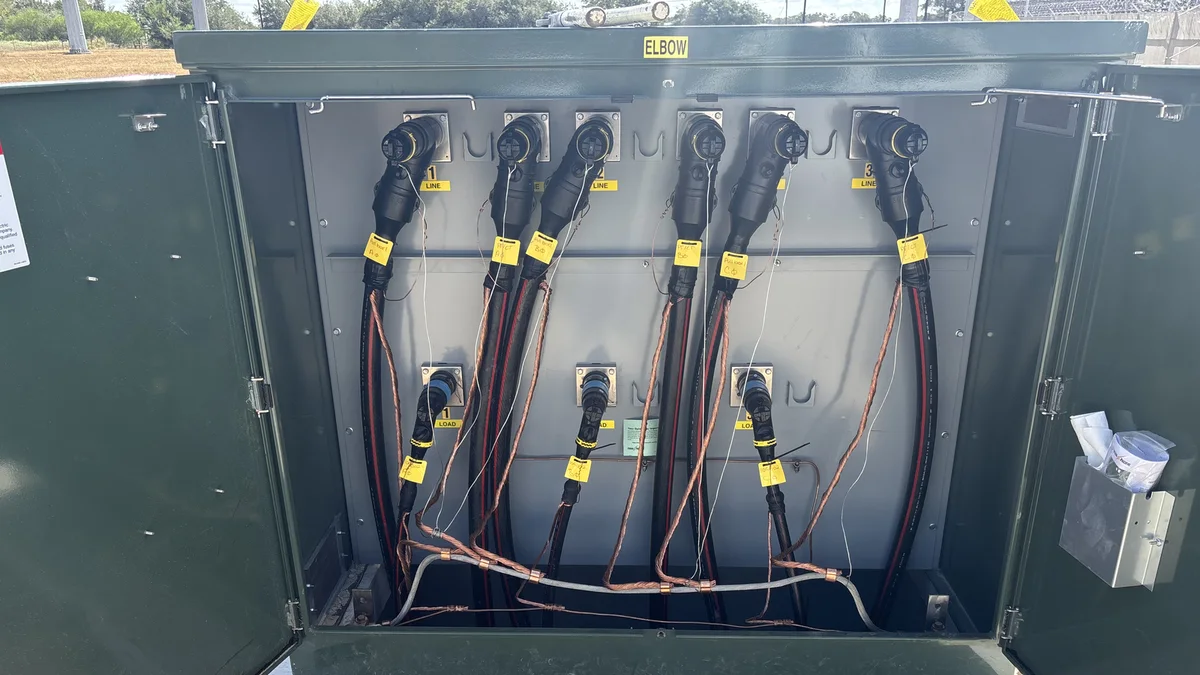
Before requesting a bid for underground electric construction, gather the project location, current plans, installation scope, known site constraints and target dates. Identify who supplies materials, coordinates with the utility and approves changes. Flag missing information rather than presenting an early sketch as a final design.
For a project in Marion or the surrounding region, we recommend starting with those details rather than a request for “a price per foot.” The checklist below is designed to help developers, electrical contractors and project owners prepare a more useful first conversation.
Define the underground electric construction scope
A route length alone is not enough to describe a job. Two requests can show the same distance while asking for very different work.
At TLT Construction Company, our underground electric distribution services include cable, conduit and terminations, along with street light feeds and developer or subdivision electric work. That makes it important to say which parts belong in your request.
Consider this planning example: one proposal includes conduit to a proposed equipment location, while another includes conduit, cable and terminations. Before comparing the prices, confirm whether both proposals cover the same work and use the same design revision.
Ask the project team to identify the start and end points, the intended connection locations and the limits of each contractor's work. If a drawing is preliminary, label it that way instead of allowing it to look like an approved construction document.
Confirm utility coordination and project responsibilities
An early start is not useful if the next decision has no owner. Build a short responsibility list before asking everyone to commit to a schedule.
Use that list to answer practical questions:
- Design decisions: Who provides the current drawings and resolves changes?
- Utility coordination: Who communicates with the serving utility about its requirements and connection process?
- Materials: Which items are owner-supplied, utility-supplied or included in the contractor's scope?
- Access and approvals: Who confirms permission to enter the work area and checks applicable permit or easement requirements?
- Acceptance: Who reviews the completed work and coordinates the next stage?
Do not treat physical installation and permission to energize as the same milestone. Ask the serving utility and project professionals to define their responsibilities and approval steps for this specific job.
Share the site's limits, not just its address
A clear site sketch can be more helpful than a confident description over the phone. We recommend showing access points, proposed crossings, occupied areas and surfaces that the project team wants to preserve.
For a commercial-property planning example, mark the delivery entrance separately from the proposed utility route. If trucks must continue using that entrance, put the access requirement in the bid request and ask who will coordinate any temporary changes.
Treat unknowns as questions. If you do not have ground information or reliable records of existing installations, say so rather than assuming the route is clear.
Existing utility information also needs professional follow-through. Texas811 explains that its process notifies utilities about planned digging and that affected utility responses must be confirmed.
Ask the responsible excavator how utility notifications, responses and any additional locating will be handled before work begins, including how owner-maintained underground lines will be addressed. This article is a planning guide, not clearance to excavate or a substitute for site-specific safety procedures.
Underground electric bid checklist
Your first submission does not have to hide every unknown. Give the estimator a clear scope and identify the information that is still preliminary.
For the first conversation, organize the following:
- Project name, physical location and primary contact.
- Latest drawings or a clearly labeled preliminary sketch.
- Work requested, with inclusions and exclusions.
- Known site restrictions and unresolved questions.
- Bid deadline, preferred construction window and required completion milestones.
- Any project-specific insurance, safety or permit requirements supplied by the owner or design team.
Keep the bid deadline separate from the desired mobilization date. Ask the contractor to confirm what additional information is needed before either date can become a reliable commitment.
Use a simple scope note if the package is still developing: “Please review the attached preliminary route. Confirm which work and materials your proposal includes, identify exclusions, and list information needed before construction can be scheduled.” Replace that example with the actual project requirements before sending it.
Start with the project details
A useful estimate starts with a shared understanding of the job. We would rather see an honest list of open questions than a scope that appears complete but leaves responsibilities undefined.
To request a review, send TLT your plans and bid details, including the project location, requested work and deadline. Our Marion office number is 830-420-3600; call if the bid date is approaching, and tell us which documents are still preliminary.
- Underground Utilities
- Underground Electric
- Utility Project Planning
- Construction Bids